Archive for the 'Black History' Category

Is Black History Month Still Necessary?

Thursday, February 2nd, 2012

Is Black History Month Still Necessary?

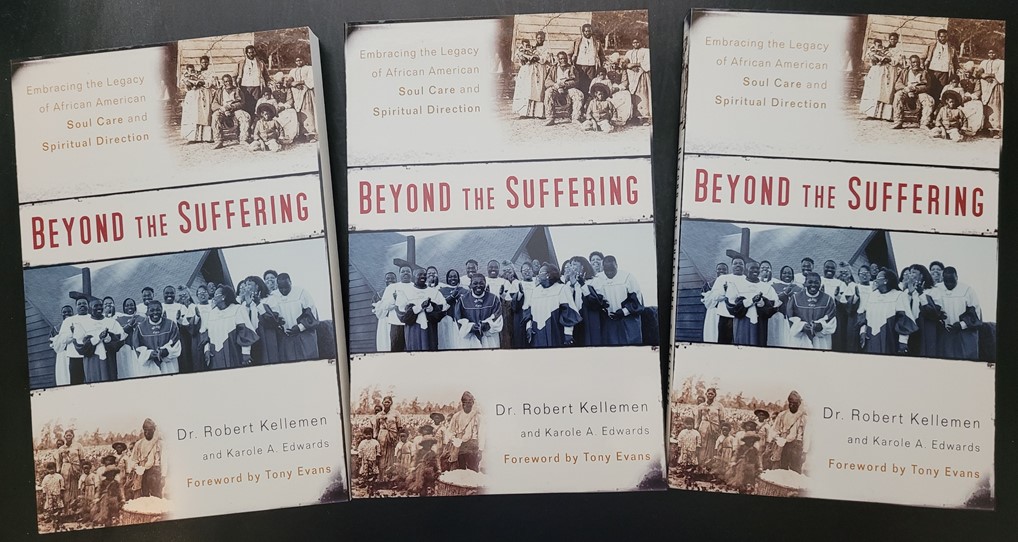
As I speak around the country on Beyond the Suffering: Embracing the Legacy of African American Soul Care and Spiritual Direction, I’m frequently asked, “What do you think about Black History Month?” 

The question comes from my African American friends, many of whom are divided on the issue. Some think Black History Month is a net positive for African Americans, while others believe it is a net negative. The question also comes from my non-African American friends, who are equally split, and for various reasons.

Having outlined The History of Black History Month, now it’s time to discuss Is Black History Month Still Necessary?

Is Morgan Freeman Right?

Morgan Freeman, a long-time critic of the holiday, strongly believes that Black History Month is not just unnecessary but “ridiculous.” According to Freeman in a 60 Minutes interview, Black history should not be relegated to a month. In fact, argues Freeman, Black history, after all, is American history.

Jessica McElrath asks it this way, “Has African American history now converged with American history, and, therefore, should the celebration be eliminated?”

Some believe that this is the case. According to Rochelle Riley, yes, the time has come to end Black History Month. Riley asserts that Black history is American history. So, suggests Riley, it’s time to stop celebrating, learning, and being American separately. It’s time to be an America where learning about Blacks, Hispanics, and Asians is part of school curriculums.

Jesse Washington, AP National Writer, asks the question with his title, “Time to End Black History Month?” He opens with the follow-up question, “Should Black History Month itself fade into history?”

Many people, both Whites and Blacks, argue that Black history should be incorporated into year-round education. Washington quotes Stephen Donovan, a 41-year-old lawyer, saying, “If Obama’s election means anything, it means that African American history IS American history and should be remembered and recognized every day of the year.”

Donovan believes that ending “paternalistic” observations like Black History Month would lead to not “only a reduction in racism, but Whites more ready, willing, and able to celebrate our differences and enjoy our traditions without feeling the strain of guilt that stifles frank dialogue and acceptance across cultures?”

What Does the President Think?

Other portions of Washington’s article support another side of the story: the continued need for Black History Month. President Obama, like all his predecessors since the 1970s, believes Black History Month should continue. He lauded “National African American History Month” calling upon “public officials, educators, librarians, and all people of the United States to observe this month with appropriate ceremonies, activities, and programs that raise awareness and appreciation of African American history.”

Daryl Scott, Chairman of the history department at Howard University believes Black History Month is still needed to solidify and build upon America’s racial gains. “To know about the people who make up society is to make a better society. A multiracial, multiethnic society has to work at its relationships, just like you have to work at your marriage.”

“I don’t see it going away,” said Spencer Crew, a history professor at George Mason University, adding that a diverse year-round history curriculum can still be augmented in depth during Black History Month. “There’s a Women’s History Month,” Crew said. “No one would argue that we don’t need to be reminded of women who have done things that are important.”

Jessica McElrath surmises that most historians and African Americans believe that Black History Month remains necessary. According to McElrath, Black History Month is the only time of the year when Black history is recognized in many schools. She argues that schools often focus on White history year round, and, therefore, Black History Month is a necessary celebration.

Are We Fair and Balanced Yet?

Much of the discussion about whether Black History Month is still necessary relates to whether “main stream” history is accurately covering Black history year-round. My specialty is Black Church history, so I’ll speak to that. Evangelical Black Church history is not being fairly covered year round…not even close.

As Karole Edwards and I researched the history of African American soul care and spiritual direction, we found hundreds of primary sources for Black Church history from 1500-1900 (our time-frame). However, when we looked in secondary sources written today about American Church history, we found an embarrassing dearth of focus on women and minorities. Even in 2011, most general texts on American Church history continue to focus on dead White guys.

I’m not against the dead White guys. One day I will be one of them! I wrote my Ph.D. dissertation on one of them: Martin Luther.

I’m simply of the conviction that fair and balanced history is still not being written. Just today I received the following testimonial to this fact.

“I hold an MA in biblical counseling from an Evangelical seminary. I also did coursework in ethics related to race relations. I ordered your book Beyond the Suffering and was deeply touched by it. It is a book that I longed for while in seminary as the majority of my textbooks were from an Anglo-American perspective.”

Others agree. As I present around the country on Heroes of the Black Church, participants are angry. because no one else is presenting these historical facts. In their Evangelical Bible colleges, Christian liberal arts colleges, and seminaries, they’re taking Church history courses and hearing nothing about Black Church history, especially Evangelical Black Church history. I’m being told that even Historically Black Colleges and Universities are not teaching about Evangelical Black Church history.

I always find it interesting when someone says, “Let’s just read about good people of all races and not focus on just one race!” I like to follow-up with the question, “So tell me the most recent book you’ve read, especially the most recent American Church history book that talked about anyone other than dead White guys…”

Or, I’ll ask, “So tell me some great heroes of the faith who are from a culture different from yours…”

Unfortunately, 99% of people can’t provide an answer. In theory, we say we want to read about all people of all cultures. In reality, most general studies books on American Church history are only about the dead White guys. And most of us read only about people who are like us.

What Does God’s Word Say?

We’ll celebrate unity in diversity in heaven for all eternity according to Revelation 7:9-10. God’s end game is not one homogenous group, but unity in diversity. Such unity in diversity reflects God. Our Trinitarian God is Three-in-One: unity in diversity.

Even if racism, prejudice, and imbalanced awareness were wiped from the face of the earth, the Bible still commands us to value diversity throughout eternity. The end of racism would not be the end of diversity. It would be the beginning of unity in diversity. There’s a world of difference.

While people may debate whether “race” is culturally-constructed, the Bible is clear that culture is God-constructed and approved. God does not want us to be “culture-blind.” He wants us to recognize, appreciate, and celebrate our differences in biblical unity.

What Should We Do Now?

Ideally, life could and should be both/and. We could have books that highlight the unique accomplishments of various cultural groups—celebrating their legacy. And, we could have books that integrate in a fair and balanced way the contributions of all cultural groups.

The same could be true of “history months.” We could have months celebrating specific cultural groups. And, we could and should, year-round, celebrate the contributions of all cultural groups.

Given the clearly documented lack of past and current historical balance (dead White guys getting all the press and other cultures and women given little honor), it is still necessary to highlight “minority cultures” and women in special months, books, etc. We can do this while also working toward integrating men and women, and people of all cultures, into year-round study and into overview books.

Join the Conversation

What do you think? Is Black History Month still necessary?

RPM Ministries: Equipping You to Change Lives with Christ’s Changeless Truth

Tags: , ,

The History of Black History Month

Wednesday, February 1st, 2012

The History of Black History Month

As I speak on Beyond the Suffering: Embracing the Legacy of African American Soul Care and Spiritual Direction, I’m frequently asked: “What is the history behind Black History Month?” The answer is fascinating and instructive.

The Father of Black History

With the following compelling words, African American historian Dr. Carter G. Woodson (1875-1950) explained his purpose for founding what in 1926 was known as Negro History Week.

“We should emphasize not Negro history, but the Negro in history. What we need is not a history of selected races or nations, but the history of the world void of national bias, race hate, and religious prejudice.”

A decade before he conceived of Negro History Week, Dr. Woodson launched the Association for the Study of Negro Life and History (1915). He was motivated by the belief that publishing “scientific history about the Black race would produce facts that would prove that Africa and its people had played a crucial role in the development of civilization.” As a Harvard-trained historian, Woodson believed that truth would prevail over prejudice.

Based upon this conviction, Woodson established The Journal of Negro History in 1916. However, a decade into his work, he recognized that scholarship alone was not defeating the race problem. Unfortunately, many White historians were not promoting the truth even when they read its riches.

It Takes a Community

If the scholarly community would not be moved by truth, then how could the legacy of Black achievements ever become appreciated? Dr. Woodson began to urge Black civic organizations to promote the achievements that researchers were uncovering.

Woodson prodded his fraternity brothers at Omega Psi Phi to take up the work. In 1924 they responded with the creation of Negro History and Literature Week, which they later renamed Negro Achievement Week.

Within a year, Woodson knew that the Association had to expand its program. They refocused their goal to be: popularizing the truth of Black achievement. The Association had to reeducate Blacks as well as Whites, and its doors had to be opened to all, not just to historians and scholars.

When the Association announced Negro History Week for 1926, Woodson was overwhelmed by the response. Black history clubs sprang up, teachers desired materials to instruct their pupils, and many Whites, not simply White scholars, stepped forward to endorse the effort.

So Why February? 

Dr. Woodson selected a week in February for the initial Negro History Week. Why?

The week in February included the birthdays of both Abraham Lincoln and Frederick Douglass. Lincoln, of course, issued the Emancipation Proclamation. Frederick Douglass had been one of the great African American leaders of the previous century.

By the time Woodson passed away in 1950, Negro History Week had become a central part of African American life. Progress was being made in bringing more Americans to appreciate the African American legacy and to embrace the celebration.

However, people recognized the need to devote more time to Black history. The nation was coming to recognize the importance of Black history in the drama of the America story. So, in 1976, fifty years after the initial celebration, the first Black History Month was celebrated. Since 1976, all American Presidents have issued Black History Month proclamations.

Now We Know the Rest of the Story

Here’s what we’ve learned about the history of Black History Month.

1. The Original Need: There existed in the 1920s an imbalance in historical study. Most history was written by “White men” about “dead White men.”

2. The Original Motivation: Dr. Woodson and other African American scholars recognized this imbalance. In response, they did not want to emphasize “Black history.” They simply wanted a factual, scholarly study of Blacks in history. In fact, they insisted that what we needed was not a history of selected races or nations, but the history of the world void of national, racial, and religious prejudice.

3. Scholarly Disappointment: Being a Harvard-trained historian, Dr. Woodson assumed that the truth would set us free. He believed that when White historians saw the facts of history—that all people of all ethnicities have made sterling contributions to civilization—that their biases would die. He was wrong.

4. Spreading the Word: Seeing the failure of White historians to present the facts, Woodson and others now realized that it would take a community. The average citizen needed to be educated in the historical truth of the beautifully diverse nature of the history of civilization. Thus was birthed what we now know as Black History Month.

5. Historical Clarity: For those who might say, “Why should Blacks have their own month?” we need to answer historically. “Blacks needed their own month to begin to overcome the distortion not only of the other eleven months, but of the preceding 1,000s of years of recorded history.” Leaders like Dr. Woodson never insisted on the supremacy of any one race. They simply wanted to uncover the buried historical riches of any neglected cultures. (That’s the identical motivation that led to my writing Beyond the Suffering).

The Rest of the Story

Join us again tomorrow as we address the important, controversial question: Is Black History Month Still Necessary?

Join the Conversation 

Now that you know the history, what is your view of the original need for Black History Month?

RPM Ministries: Equipping You to Change Lives with Christ’s Changeless Truth

Tags: , , ,

Dr. Carter G. Woodson: Father of Black History Month

Monday, February 8th, 2010

Dr. Carter G. Woodson: Father of Black History Month

Enjoy this video tribute to Dr. Carter G. Woodson, known as the Father of Black History Month. Learn more aboout the History of Black History Month.
Tags: , ,

The History of Black History Month

Saturday, February 6th, 2010

The History of Black History Month

As I speak around the country on Beyond the Suffering: Embracing the Legacy of African American Soul Care and Spiritual Direction, I frequently hear the question: “What do you think about Black History Month?”

The question comes from my African American friends, many of whom are split both ways. Some think Black History Month is a net positive for African Americans, while others believe it is a net negative. That question also comes from my non-African American friends, who are equally split, and for various reasons.

The Father of Black History

To answer the question intelligently and fairly, we need to understand the history of Black History Month. With these compelling words, African American historian Dr. Carter G. Woodson (1875-1950) explained his purpose for founding what in 1926 was known as Negro History Week.

“We should emphasize not Negro history, but the Negro in history. What we need is not a history of selected races or nations, but the history of the world void of national bias, race hate, and religious prejudice.”

A decade before he conceived of Negro History Week, Dr. Woodson launched the Association for the Study of Negro Life and History (1915). He was motivated by the belief that publishing scientific history about the Black race would produce facts that would prove that Africa and its people had played a crucial role in the development of civilization. As a Harvard-trained historian, Woodson believed that truth would prevail over prejudice.

Based upon his conviction, Woodson established The Journal of Negro History in 1916. However, a decade into his work, he recognized that scholarship alone was not defeating the race problem. Unfortunately, many White historians were not promoting the truth even when they read its riches.

It Takes a Community

If the scholarly community would not be moved by truth, then how could the legacy of Black achievements ever become appreciated? Dr. Woodson began to urge Black civic organizations to promote the achievements that researchers were uncovering.

Woodson prodded his fraternity brothers at Omega Psi Phi to take up the work. In 1924 they responded with the creation of Negro History and Literature Week, which they renamed Negro Achievement Week.

Within a year, Woodson knew that the Association had to expand its program. They reorganized their goal: popularizing the truth of Black achievement. The Association had to reeducate Blacks as well as Whites, and its doors had to be opened to all, not just to historians and scholars.

When the Association announced Negro History Week for 1926, Woodson was overwhelmed by the response. Black history clubs sprang up, teachers demanded materials to instruct their pupils, and progressive Whites, not simply White scholars, stepped forward to endorse the effort.

So Why February?

People ask, “Why February?” Some African Americans say, “Yeah, first they give us just one month. And then they give us the shortest month of the year!”

It wasn’t “they.” It was our African American friend Dr. Woodson who selected a week in February for the initial Negro History Week. Why?

The week in February included the birthdays of both Abraham Lincoln and Frederick Douglass. Lincoln, of course, issued the Emancipation Proclamation. Frederick Douglass had been one of the great African American leaders of the previous century.

From a Week to a Month

By the time Woodson passed away in 1950, Negro History Week had become a central part of African American life. Progress was being made in bringing more Americans to appreciate the African American legacy and to embrace the celebration.

However, people recognized the need to devote more time to Black history. The nation was coming to recognize the importance of Black history in the drama of the America story. So, in 1976, fifty years after the initial celebration, the first Black History Month was celebrated. Since 1976, all American Presidents have issued Black History Month proclamations.

So Now We Know the Rest of the Story

Here’s what we’ve learned about the history of Black History Month.

1. Original Need: There existed in the 1920s a horrible imbalance in historical study. Most history was written by “White guys” about “dead White guys.”

2. Original Motivation: Dr. Woodson and other African American scholars recognized this imbalance. In response, they did not want to emphasize “Black history.” They simply wanted a factual, scholarly study of Blacks in history. In fact, they insisted that what we needed was not a history of selected races or nations, but the history of the world void of national, racial, and religious prejudice.

3. Scholarly Disappointment: Being a Harvard-trained historian, Dr. Woodson assumed that the truth would set us free. He believed that when White historians saw the facts of history—that all people of all ethnicities have made sterling contributions to civilization—that their biases would die. He was wrong.

4. Spreading the Word: Seeing the failure of White historians to face the facts, Woodson and others now realized that it would take a community. The average, everyday citizen needed to be educated in the historical truth of the beautifully diverse nature of the history of civilization. Thus was birthed what we now know as Black History Month.

5. Historical Clarity: For those who say, “Why should Blacks have their own month?” we need to answer historically. “Minorities needed their own month to begin to overcome the distortion not only of the other eleven months, but of the preceding 1,000s of years of recorded history.” Minority leaders like Dr. Woodson never insisted on the supremacy of any one race. They simply wanted to uncover the buried historical riches of any neglected cultures. (That’s the identical motivation that led to my writing Beyond the Suffering).

Join the Conversation

1. Now that you know the history, what is your view of the original need for Black History Month?

2. Do you believe that Black History Month is still needed? Why or why not?

Dr. Carter G. Woodson

Share/Bookmark

Tags: , , ,

Black History Month: The History and the Controversy

Sunday, January 31st, 2010

Black History Month: The History and the Controversy

Would you like to read a fair and balanced discussion of the history and controversy surrounding Black History Month?

You can here.

G. Carter Woodson, Founder of the Modern Black History Movement

It’s a brief, focused discussion of a vital topic that will be in the news for the next 28 days.

• Learn how and why Black History Month was launched.

• Engage in the conversation regarding whether or not one month focused on Black history is a net positive.

Continue reading here.

The 40-Day Journey of Promise

To celebrate Black History Month, I’m continuing The 40-Day Journey of Promise—running from MLK Day to the end of Black History Month.

Today’s post shares a powerful depiction of the legacy of African American salvation by faith through grace. Don’t miss it. Visit here.

Join the Conversation

What do you think? Is designating one month for the celebration of Black history a net positive?

Share/Bookmark

Tags: , ,

The Journey: Forty Days of Promise

Monday, December 14th, 2009

The Journey: Forty Days of Promise

Learning Life Lessons from the Legacy of African American Christianity

Do you long to grow in your ability to relate across cultures?

Do you long for church community that’s truly a taste of eternity (Rev. 7:9-10) where we’ll worship together forever in unity and diversity?

Then join the journey

Join the Journey

Join me on a forty-day intercultural journey of promise.

I’ll be blogging during the forty days from Martin Luther King Day on January 18, 2010, to the end of Black History Month on February 28, 2009.

Our focus will be: The Journey: Forty Days of Promise—Learning Life Lessons from the Legacy of African American Christianity.

I know, technically, that’s forty-two days. February 27 and 28 will be days of reflection on the previous forty-day journey.

The Big Idea

Each day we’ll enjoy a stirring narrative from the heroes and heroines of Black Church history.

Then we’ll ponder applications of this remarkable legacy to all of our lives today—regardless of our ethnicity, nationality, race, or cultural background.

Every post will include discussion questions so that in your family and your church you can ponder the implications for your lives and ministries.

Bonus for Joining the Journey

As an added bonus, I’ll select five people who commented the most during these 40 (42) days to receive an e-copy of the entire Forty Day Adventure.

Your Head Start on Our Journey of Promise

The Journey is your appetizer. If you’d like the full course meal, go here to learn about, read a sample chapter from, and purchase your autographed copy of Beyond the Suffering: Embracing the Legacy of African American Soul Care and Spiritual Direction.

Join the Conversation

1. What does the Church today need to do to reflect the multi-ethnic diversity commanded (Col. 3:10) and illustrated (Rev. 7:9-10) in Scripture?

2. What are some of the reasons that Sunday morning remains the most segregated hour in America?   


Beyond the Suffering

Beyond the Suffering

Tags: , , , , ,