Tag Archive


Al Mohler A New Kind of Christianity Anxiety Beyond the Suffering Biblical Counseling Biblical Counseling Coalition Black Church History Black History Month Book Review CCEF Christian Counseling Christmas Church Discipleship Emotional Intelligence Emotions Equipping Equipping Counselors for Your Church God's Healing God's Healing for Life's Losses Gospel Coalition Grief GriefShare Grieving Healing for the Holidays Kellemen Luther Martin Luther Ministry Pastoral Ministry Pastors Quotes Reformation RPM Ministries Sacred Friendships Soul Care Soul Physicians Spiritual Direction Spiritual Formation Spiritual Friends Suffering The Best of the Best The Journey Tim Challies Video

Celebrating the Heroes of Black Church History

Celebrating the Heroes of Black Church History

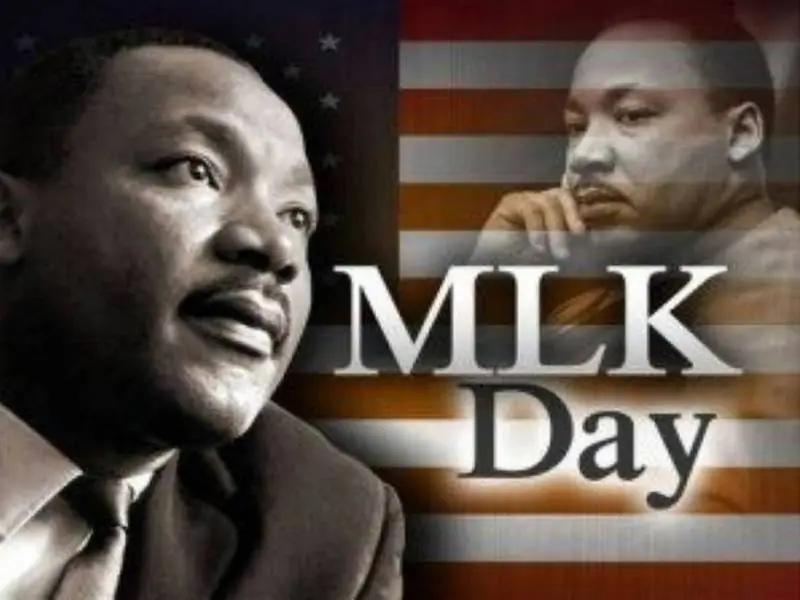
The Sunday before MLK Day, I spoke at Cornerstone Community Church on Celebrating the Heroes of Black Church History. If you desire to learn how to help others to move beyond suffering to God’s healing hope, then this is a message you will want to hear.

To download the MP3 audio of the message, along with the entire PowerPoint presentation, and the message outline, go to Celebrating the Heroes of Black Church History.

You may also be interested in a blog post on Martin Luther King, Jr. and the Founding Father of the Black Church.

You also may find beneficial a blog post on Christian Influences on Martin Luther King, Jr.

Note: This material is based upon the book Beyond the Suffering.

Join the Conversation

How could today’s church learn more from the great cloud of witnesses in church history? How could we learn more from Christians of other ethnicities?


Share


Christian Influences on Martin Luther King, Jr.

Christian Influences on Martin Luther King, Jr.

As Americans celebrate Martin Luther King Day, few are aware of the Christians whose courageous lives influenced his life. Today we learn the rest of the story.

Rosa Parks: A Woman of Great Conviction

Rosa Parks (1913-2005) was the “Mother of the Modern-Day Civil Rights Movement” according to the U.S. Congress. On December 1, 1955, Parks became famous for refusing to obey bus driver James Blake’s order that she give up her seat to make room for a White passenger.

Her actions started the Montgomery Bus Boycott, which was one of our nation’s largest movements against racial segregation. In addition, it helped to launch Martin Luther King, Jr., who was involved with the boycott, to prominence in the Civil Rights movement. Rosa Parks has had a lasting worldwide legacy.

Daniel Alexander Payne: The Rosa Parks of His Day

Seventy years earlier, Daniel Alexander Payne (1811-1893) engaged in a similar, but lesser-known act of civil disobedience. Had his actions been more widely reported, Payne might today be known as the “Father of the Former-Day Civil Rights Movement.”

Born to free Black parents in Charleston, South Carolina, Payne was an early leader in and the official historian for the African Methodist Episcopal Church (AMEC). Leaving the South in 1834, Payne studied at the Lutheran Theological Seminary in Gettysburg, PA, and then ministered for over fifty years as a pastor, educator, and influential bishop.

Payne’s ministry returned him to the South in the twilight years of his life. When he was in his seventies, he refused to stay on a train where he would have been seated in Jim Crow conditions. Standing his ground and confronting the White authorities on the train, he said to them, “Before I’ll dishonor my manhood by going into that car, stop your train and put me off.”

Payne describes the scene after he left the train. “The guilty conductor looked out and said, ‘Old man, you can get on the platform at the back of the car.’ I replied only by contemptuous silence.”

Payne then carried his own luggage, walking a great distance over “a heavy bed of sand” to his next speaking engagement in the deep South. Payne literally walked the talk. By doing so, he was the predecessor of later-day Civil Rights leaders such as Parks.

The Father of Daniel Alexander Payne: Dare to Be a Daniel

How did such courage develop in Payne’s life? Where did such conviction emanate from in his background?

Payne himself credits his father as the man who started him on his purposeful life.

“I was the child of many prayers. My father dedicated me to the service of God before I was born, declaring that if the Lord would give him a son that son should be consecrated to him, and named after the Prophet Daniel.”

And now you know the rest of the story.

Payne marveled at the sense of self, the sense of masculinity, that his father conveyed to him. His father did so not only by naming, but also by modeling. Of his father, Payne testifies:

“He was an earnest Christian and a class leader, having two classes under him—what used to be called the Seekers’ Class and the Members’ Class. He was a faithful observer of family worship; and often his morning prayers and hymns aroused me, breaking my infant sleep and slumbers.”

Linked by Legacy: From Payne to Parks to King

Similarly and ironically, Rosa Parks’ courage was embedded in her through her upbringing in the African Methodist Episcopal Church, where she was mentored during her lifelong active membership. Here she heard of the inspiring exploits of AMEC Bishop Daniel Alexander Payne. In 1995, she published her memoirs, Quiet Strength, which focused on the role that her faith played in her life. Parks also noted the impact on her life of her mother, a teacher, who home-schooled her until she was eleven.

Daniel Alexander Payne, Rosa Parks, and Martin Luther King, Jr., all lived courageous, exemplary lives of racial reconciliation. Each stands on the shoulders of those who have gone before them. We trace the legacy from Daniel’s father, to Daniel, to Rosa, and to Martin. And ultimately, to Daniel of the Bible.

Join the Conversation

Do you think we would be talking about MLK Day if not for Daniel Alexander Payne, his father, Rosa Parks, her mother, and the Bible’s Daniel?

Who has provided a spiritual legacy of courage that you have followed in your Christian life?

Note: This material is based upon the book Beyond the Suffering.


Share


“I Have a Dream!”

“I Have a Dream!”

Note: You’re reading Part Three of a three-part blog mini-series honoring Martin Luther King Day. These three posts serve to introduce our upcoming blog series The Forty-Day Journey of Promise. Click here to learn how that blog series will teach us life lessons from the legacy of the heroes of Black Church history.

The “I Have a Dream!” Speech

I’ve posted below the entire “I Have a Dream!” speech.

The part of the speech where Dr. King speaks the famous words, “I have a dream!” can be found around the 12-minute mark.

It is near the end of the speech at the 17-minute park where you will hear Dr. King’s “Free at last!”

The Journey Begins: From Victim to Victor

Join us tomorrow for Day One of The Journey. We’ll trace the amazing narrative of Olaudah Equiano and learn how to move from victim to victor.

Join the Conversation (Post a Comment for a Chance to Receive a Copy of Beyond the Suffering)

1. Which part of the entire speech moves you the most, why?

2. If you were to give an “I Have a Dream!” speech today, about whatever you are most passionate, what would your dream be?

Note: This series is based upon material from the book Beyond the Suffering. If you’d like to learn more about Beyond the Suffering, click here.

Daniel A. Payne: The Rosa Parks of His Day

Daniel Alexander Payne: The Rosa Parks of His Day

Note: You’re reading Part Two of a three-part blog mini-series honoring Martin Luther King Day. These three posts serve to introduce our upcoming Forty-Day Journey of Promise. Click here to read how that blog series will teach us life lessons from the legacy of the heroes of Black Church history.

Rosa Parks

Rosa Parks (1913-2005) was the “Mother of the Modern-Day Civil Rights Movement” according to the U.S. Congress. On December 1, 1955, Parks became famous for refusing to obey bus driver James Blake’s order that she give up her seat to make room for a White passenger.

Her actions started the Montgomery Bus Boycott, which was one of our nation’s largest movements against racial segregation. In addition, it helped to launch Martin Luther King, Jr., who was involved with the boycott, to prominence in the Civil Rights movement. Rosa Parks has had a lasting worldwide legacy.

Daniel Alexander Payne

Seventy years earlier, Daniel Alexander Payne (1811-1893) engaged in a similar, but lesser-known act of civil disobedience. Had his actions been more widely reported, Payne might today be known as the “Father of the Former-Day Civil Rights Movement.”

Born to free Black parents in Charleston, South Carolina, Payne was an early leader in and the official historian for the African Methodist Episcopal Church (AMEC). Leaving the South in 1834, Payne studied at the Lutheran Theological Seminary in Gettysburg, PA, and then ministered for over fifty years as a pastor, educator, and influential bishop.

Payne’s ministry returned him to the South in the twilight years of his life. When he was in his seventies, he refused to stay on a train where he would have been seated in Jim Crow conditions. Standing his ground and confronting the White authorities on the train, he said to them, “Before I’ll dishonor my manhood by going into that car, stop your train and put me off.”

Payne describes the scene after he left the train. “The guilty conductor looked out and said, ‘Old man, you can get on the platform at the back of the car.’ I replied only by contemptuous silence.”

Payne then carried his own luggage, walking a great distance over “a heavy bed of sand” to his next speaking engagement in the deep South. Payne literally walked the talk. By doing so, he was the predecessor of later-day Civil Rights leaders such as Parks.

Dare to Be a Daniel

How did such courage develop in Payne’s life? Where did such conviction emanate from in his background?

Payne himself credits his father as the man who started him on his purposeful life. “I was the child of many prayers. My father dedicated me to the service of God before I was born, declaring that if the Lord would give him a son that son should be consecrated to him, and named after the Prophet Daniel.” And now you know, the rest of the story.

Payne marveled at the sense of self, the sense of masculinity, that his father conveyed to him.

His father did so not only by naming, but also by modeling. Of his father, Payne testifies, “He was an earnest Christian and a class leader, having two classes under him—what used to be called the Seekers’ Class and the Members’ Class. He was a faithful observer of family worship; and often his morning prayers and hymns aroused me, breaking my infant sleep and slumbers.”

Linked by Legacy: From Payne to Parks to King

Similarly and ironically, Rosa Parks’ courage was embedded in her through her upbringing in the African Methodist Episcopal Church, where she was mentored during her lifelong active membership. Here she heard of the inspiring exploits of AMEC Bishop Daniel Alexander Payne. In 1995, she published her memoirs, Quiet Strength, which focused on the role that her faith played in her life. Parks also noted the impact on her life of her mother, a teacher, who home-schooled her until she was eleven.

Daniel Alexander Payne, Rosa Parks, and Martin Luther King, Jr., all lived courageous, exemplary lives of racial reconciliation. Each stands on the shoulders of those who have gone before them. We trace the legacy from Daniel’s father, to Daniel, to Rosa, to Martin.

Join the Conversation (Post Comments for a Chance to Receive a Copy of Beyond the Suffering)

1. Who has provided a spiritual legacy of courage that you have followed in your Christian life?

2. What legacy do you want to leave for those following behind you?

3. Do you think we would be talking about MLK Day if not for Daniel Alexander Payne and Rosa Parks?

Note: This series is based upon material from the book Beyond the Suffering. If you’d like to learn more about Beyond the Suffering, click here.

Rosa Parks

Share/Bookmark


Martin Luther King and the Founding Fathers of the Black Church

Martin Luther King and the Founding Fathers of the Black Church

Note: You’re reading Part One of a three-part blog mini-series honoring Martin Luther King Day. These three posts, in turn, serve to introduce our upcoming Forty-Day Journey of Promise. Click here to read how that blog series will teach us life lessons from the legacy of the heroes of Black Church history.

Martin Luther King, Jr.

Martin Luther King, Jr. (1929-1968) was, of course, one of the main leaders of the American Civil Rights movement. What is lesser known today is King’s training and ministry as a Baptist pastor. Even fewer people know the long history of African American ministers promoting civil rights.

That history begins with the Reverends Richard Allen (1760-1831) and Absalom Jones (1746-1818). Allen and Jones were foremost founding fathers of the African American independent churches and of the American Civil Rights movement.

Allen’s Ministry

Allen traveled extensively, preaching in Delaware and Pennsylvania. In February, 1786, he preached at St. George’s Methodist Episcopal Church in Philadelphia. Thinking that he would be there one or two weeks, ministry needs led Allen to a settled place of service in Philadelphia.

Concerned for the wellbeing of African Americans in this parish, he established prayer meetings. “I raised a society in 1786 of forty-two members. I saw the necessity of erecting a place of worship for the coloured people.”

It was at this time that the Rev. Jones united with Rev. Allen. Their little band met great opposition, including “very degrading and insulting language to us, to try and prevent us from going on.”

Notwithstanding, they established prayer meetings and meetings of exhortation, with many people becoming Christians. Their growing congregation, still without a building, often attended services at St. George’s Church. When the black worshippers became more numerous, the white leaders “moved us from the seats we usually sat on, and placed us around the wall.”

Jones’ Convictions

It was at this juncture that one of the most noteworthy events in the American Civil Rights movement occurred. Taking seats that they thought were appropriate, prayer began. Allen describes the scene.

“We had not long been upon our knees before I heard considerable scuffling and low talking. I raised my head up and saw one of the trustees, H. M., having hold of the Rev. Absalom Jones, pulling him up off of his knees, and saying, ‘You must get up—you must not kneel here.’ Mr. Jones replied, ‘Wait until prayer is over.’ Mr. H. M. said ‘No, you must get up now, or I will call for aid and I will force you away.’ Mr. Jones said, ‘Wait until prayer is over, and I will get up and trouble you no more.’”

By the time the second usher arrived, prayer was over, and, according to Allen, “We all went out of the church in a body, and they were no more plagued with us in the church. This raised a great excitement and inquiry among the citizens, in so much that I believe they were ashamed of their conduct.”

The Birth of the Independent Black Church

As a result, Allen and Jones birthed the first independent Black Church in the North when they hired a store room and held worship by themselves. Facing excommunication from the “mother church,” they remained united and strong.

Allen stirringly recounts the situation. “Here we were pursued with threats of being disowned, and read publicly out of meeting if we did continue to worship in the place we had hired; but we believed the Lord would be our friend. . . . Here was the beginning and rise of the first African church in America.”

Some twenty years later, when increasing numbers of African Americans could not worship without harassment in the Methodist Church, Allen and others called a conference which established the first African denomination in America. It was resolved, “That the people of Philadelphia, Baltimore, etc., should become one body, under the name of the African Methodist Episcopal Church.”

Civil Rights, Then and Now

While Americans rightfully pause to remember the historic work of the Rev. Martin Luther King, Jr., it is equally important to reflect on precursors to his work. The Revs. Richard Allen and Absalom Jones paved the way for heroic African American ministers to pursue civil rights, equality, and religious freedom for all Americans.

Join the Conversation (Post Comments for a Chance to Receive a Copy of Beyond the Suffering)

1. Out of the evil of racism, God brought the good of the establishment of the first independent Black church in America. How is God creating good out of evil in your life circumstances?

2. Where does the church in American still need to overcome racial and cultural barriers to experience true oneness in Christ?

Note: This series is based upon material from the book Beyond the Suffering. If you’d like to learn more about Beyond the Suffering, click here.

Rev. Richard Allen

Share/Bookmark